Archer and Anduril: The First Chapter of America's Next Aviation Renaissance
History rarely repeats itself exactly, but it often follows familiar patterns. The recent partnership between Archer Aviation and Anduril to develop an autonomous hybrid-electric aircraft for both cargo and defense applications may appear to be another military procurement announcement. In reality, it signals something far more significant: the beginning of a new American innovation cycle where defense investment accelerates technologies that ultimately reshape commercial markets, rebuild manufacturing capability, and redefine mobility itself. This is not a new story. It is the story that gave the world the modern aviation industry.
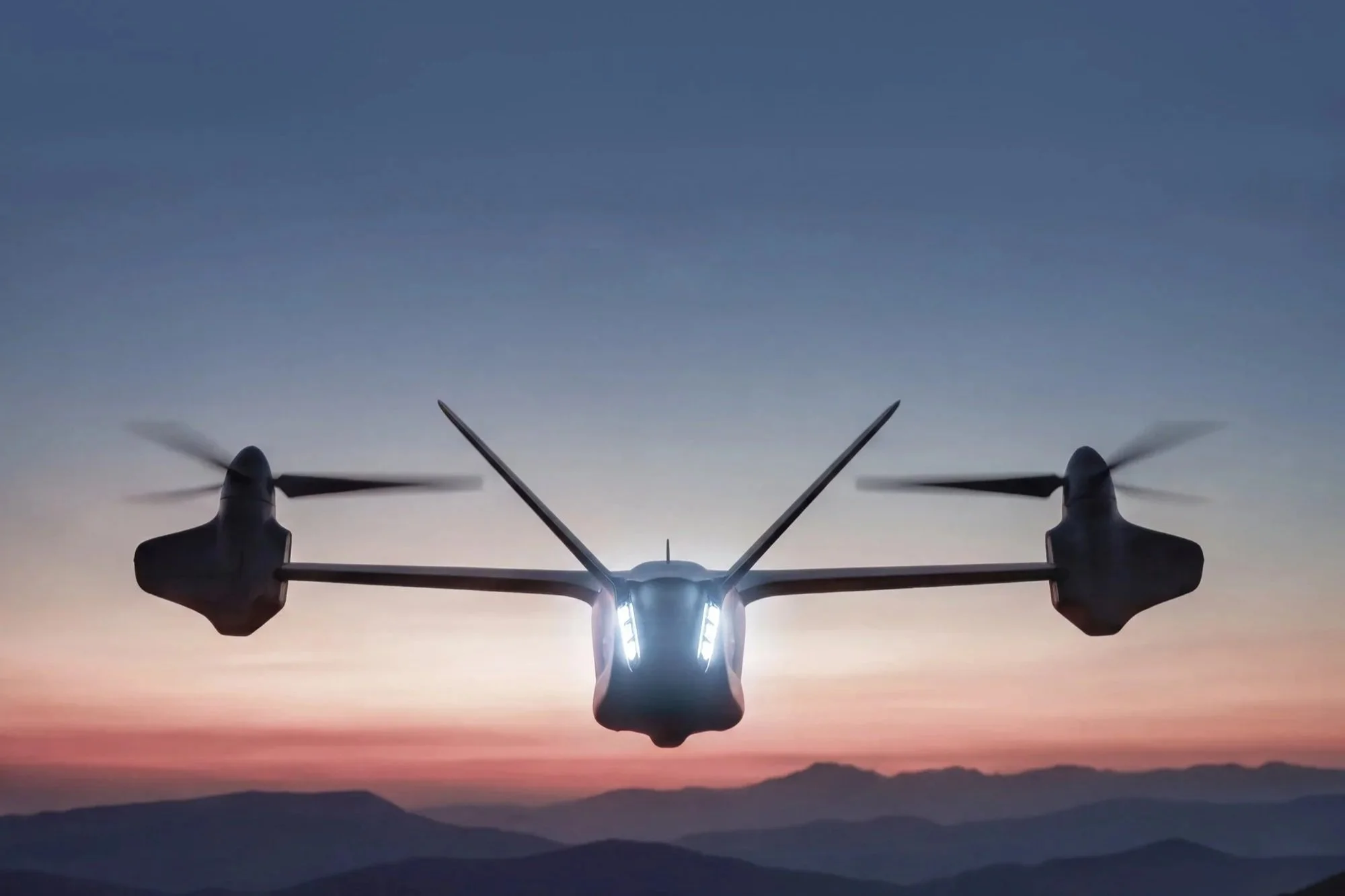
Archer's HALO hybrid-electric aircraft represents a significant step forward in the evolution of autonomous aerial logistics, combining autonomous flight, hybrid-electric propulsion, and vertical takeoff and landing into one flexible platform.
The DC-3 Was Never Just a Passenger Aircraft
When the Douglas DC-3 entered service in the 1930s, it transformed commercial aviation. For the first time, airlines could operate profitably while providing reliable passenger service. The aircraft connected cities, expanded economic opportunity, and became one of the most influential airplanes ever built. Even today, a small number of commercial DC-3s remain in service, nearly 90 years after the aircraft's first flight—a powerful reminder that truly transformative aircraft often transcend their original mission, creating lasting value in both civilian and military roles.
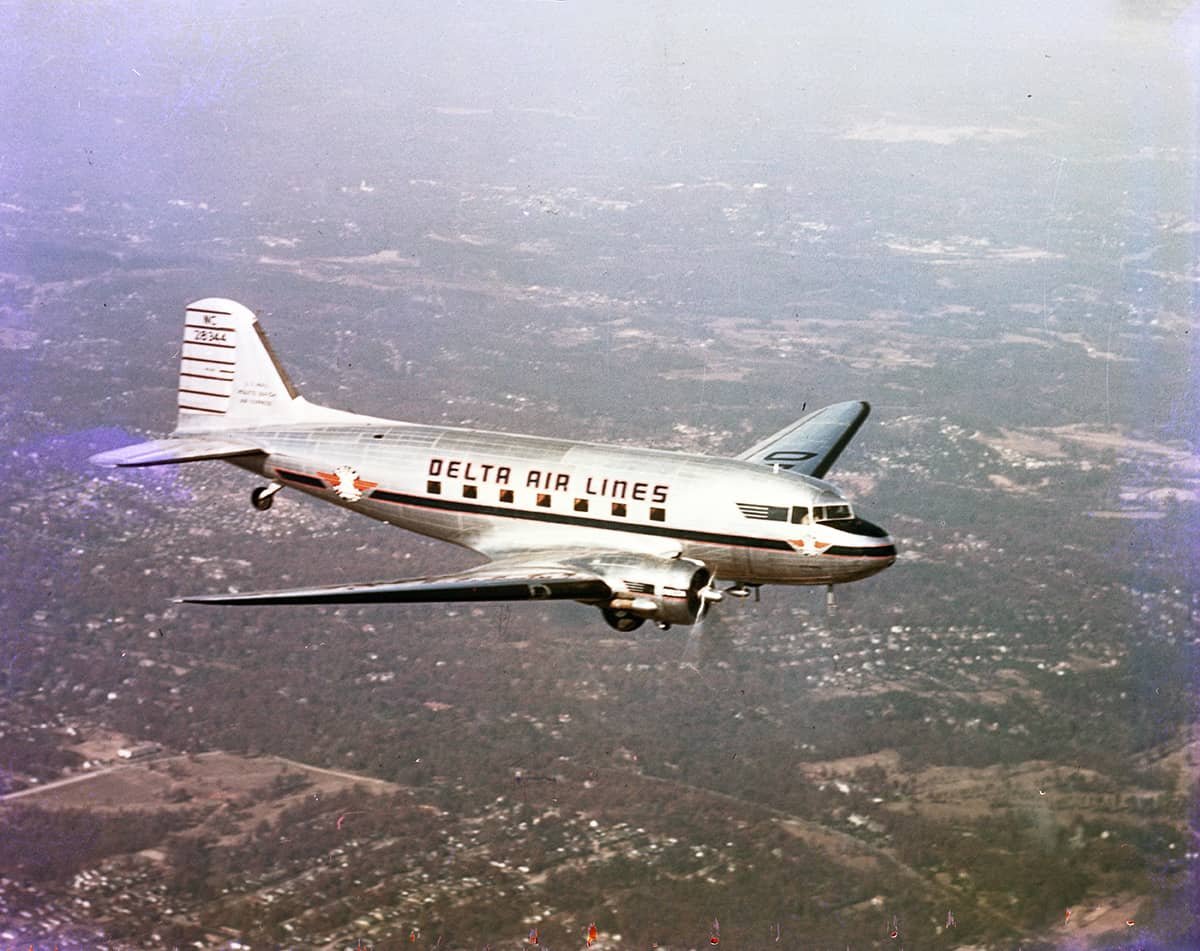
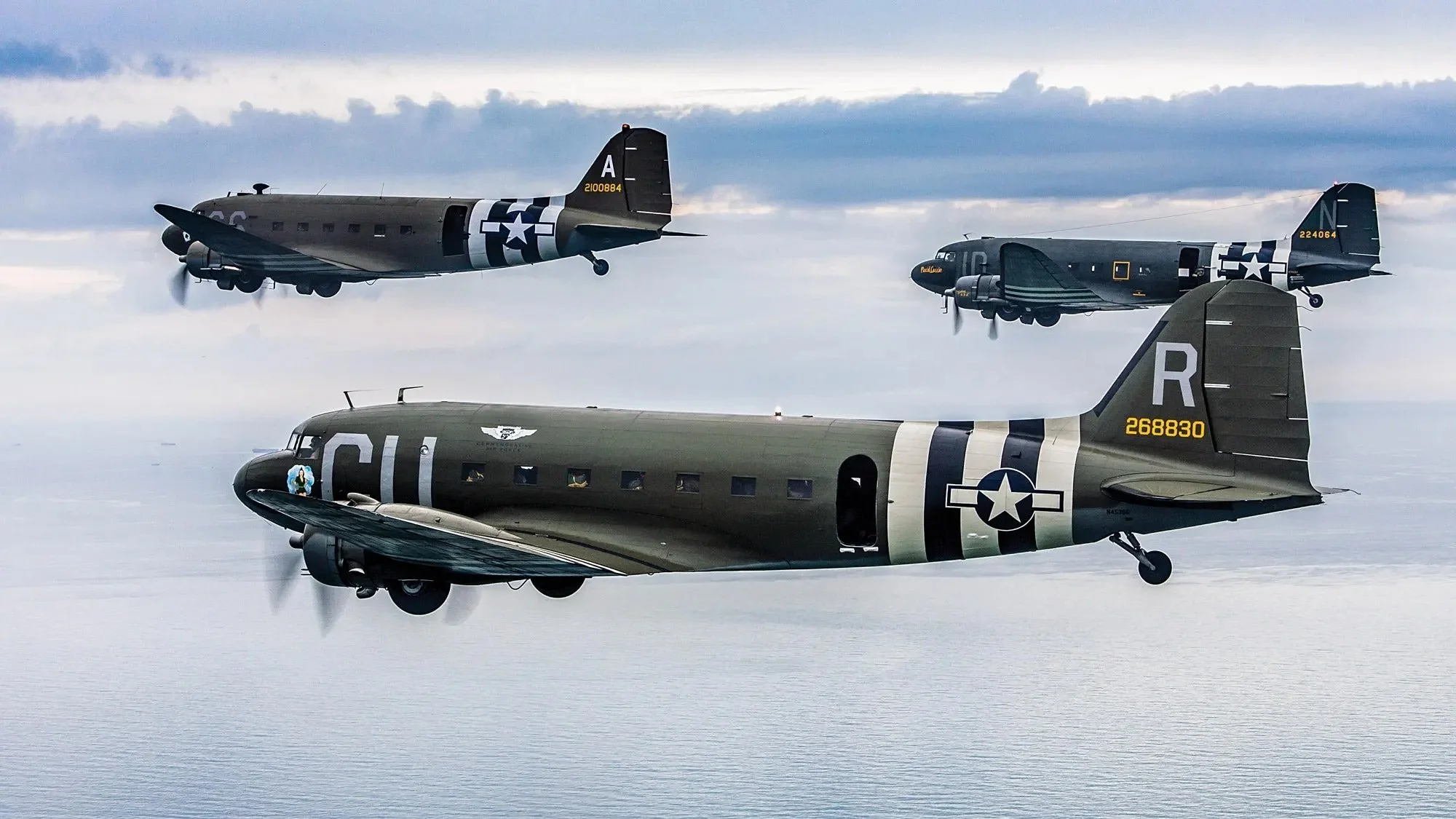
Whether in civilian guise or military camouflage, the DC-3/C-47 served with distinction for decades, becoming one of the most successful and prolific aircraft ever built.
The DC-3’s military counterpart, the C-47 Skytrain, proved equally transformative. Produced in enormous numbers during World War II, the C-47 created manufacturing capacity, engineering expertise, supplier networks, and operational experience that positioned the United States as the world's aerospace leader for decades. Factories expanded. Workers developed highly specialized skills. Entire industrial ecosystems emerged almost overnight.
Military demand did far more than build airplanes. It built an industry.
Defense Has Always Accelerated Civilian Innovation
Throughout the past century, many of the technologies now embedded in everyday life followed remarkably similar paths. Jet propulsion matured through military investment before becoming the backbone of commercial aviation. GPS began as a defense capability before becoming indispensable to global commerce and billions of smartphones. Composite materials, advanced avionics, fly-by-wire controls, satellite communications, and increasingly sophisticated manufacturing techniques all benefited from early government investment before finding widespread commercial adoption.
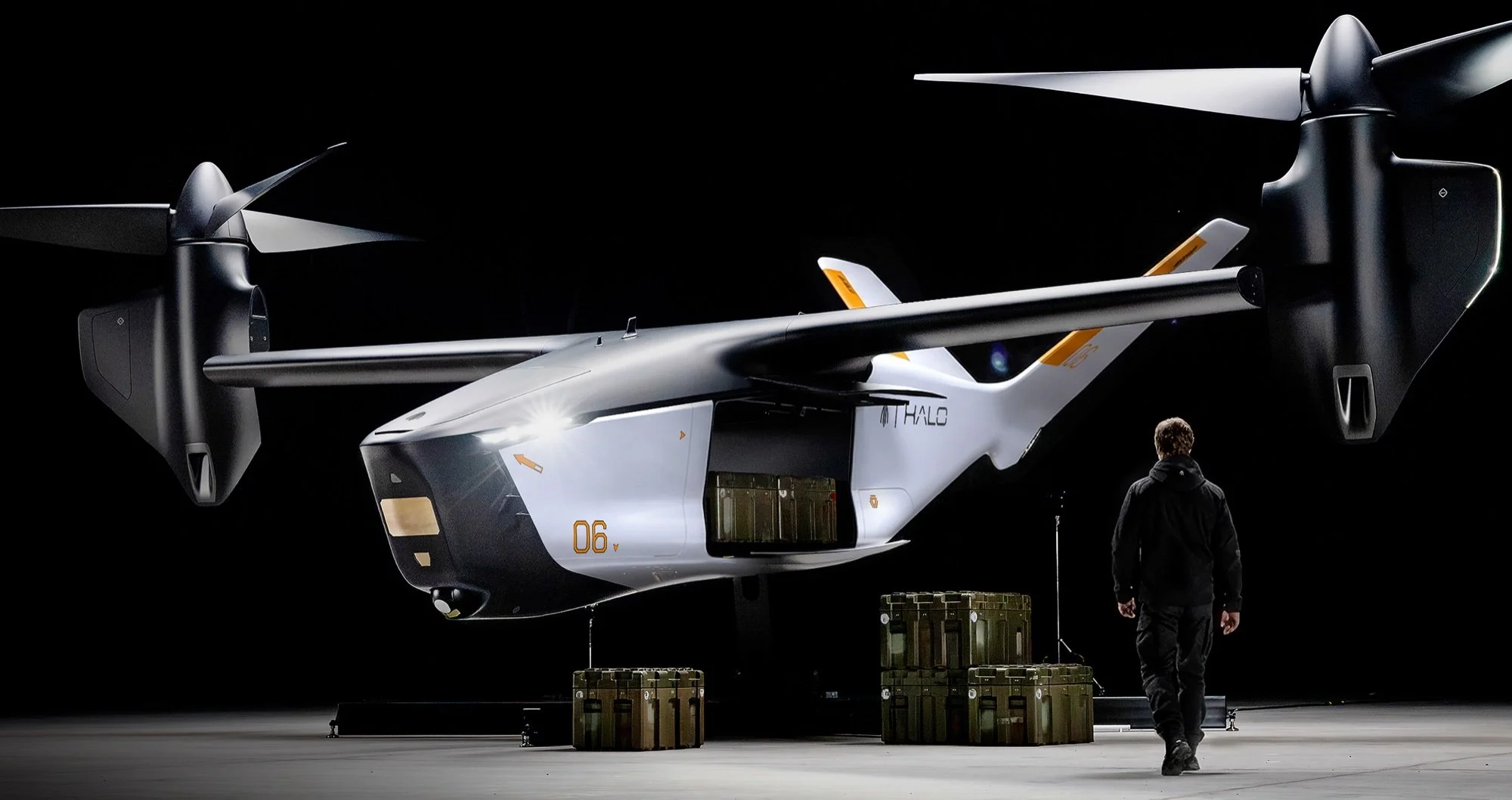
Archer's HALO is designed to transport significant payloads directly to the point of need, even in austere environments where traditional logistics infrastructure is limited or unavailable.
Defense organizations have historically served as the world's first large-scale customers—willing to invest in technologies years before private markets could justify them. The Archer-Anduril collaboration suggests that autonomous aviation is entering a similar phase of development. Archer's partnership with Anduril is significant not simply because it brings together two innovative companies, but because it recreates the proven innovation cycle that gave rise to many of aviation's most transformative platforms. By combining Archer's expertise in advanced aircraft with Anduril's leadership in autonomous defense systems, the partnership has the potential to accelerate the emergence of a dual-use ecosystem where military investment helps establish the technologies, manufacturing capabilities, and operational confidence required for widespread commercial adoption.
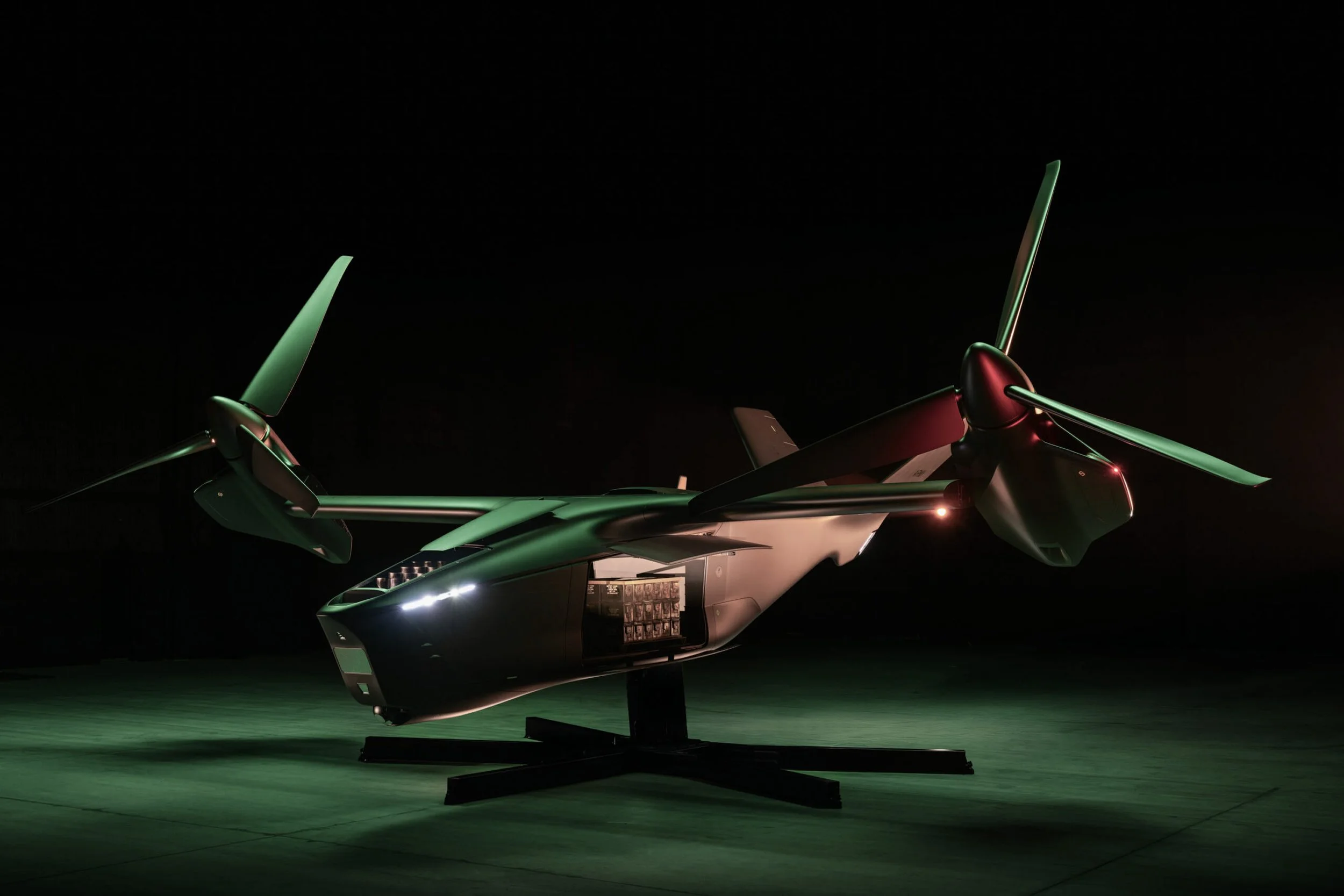
Anduril’s Thunder autonomous EVTOL platform is uniquely positioned to address two of the Pacific theater’s defining logistical challenges—the tyranny of distance and ship-to-shore operations—delivering critical supplies faster, farther, and with greater operational flexibility all while offering persistent overwatch capability.
More Than Just Another Aircraft Program
The Archer-Anduril partnership is about far more than developing a cargo aircraft. It represents the convergence of several transformational technologies that are reaching maturity simultaneously:
Autonomous flight systems
Artificial intelligence
Electric and hybrid-electric propulsion
Advanced battery technologies
Software-defined vehicles
Distributed manufacturing
Robotics and automated production
Digital engineering and simulation
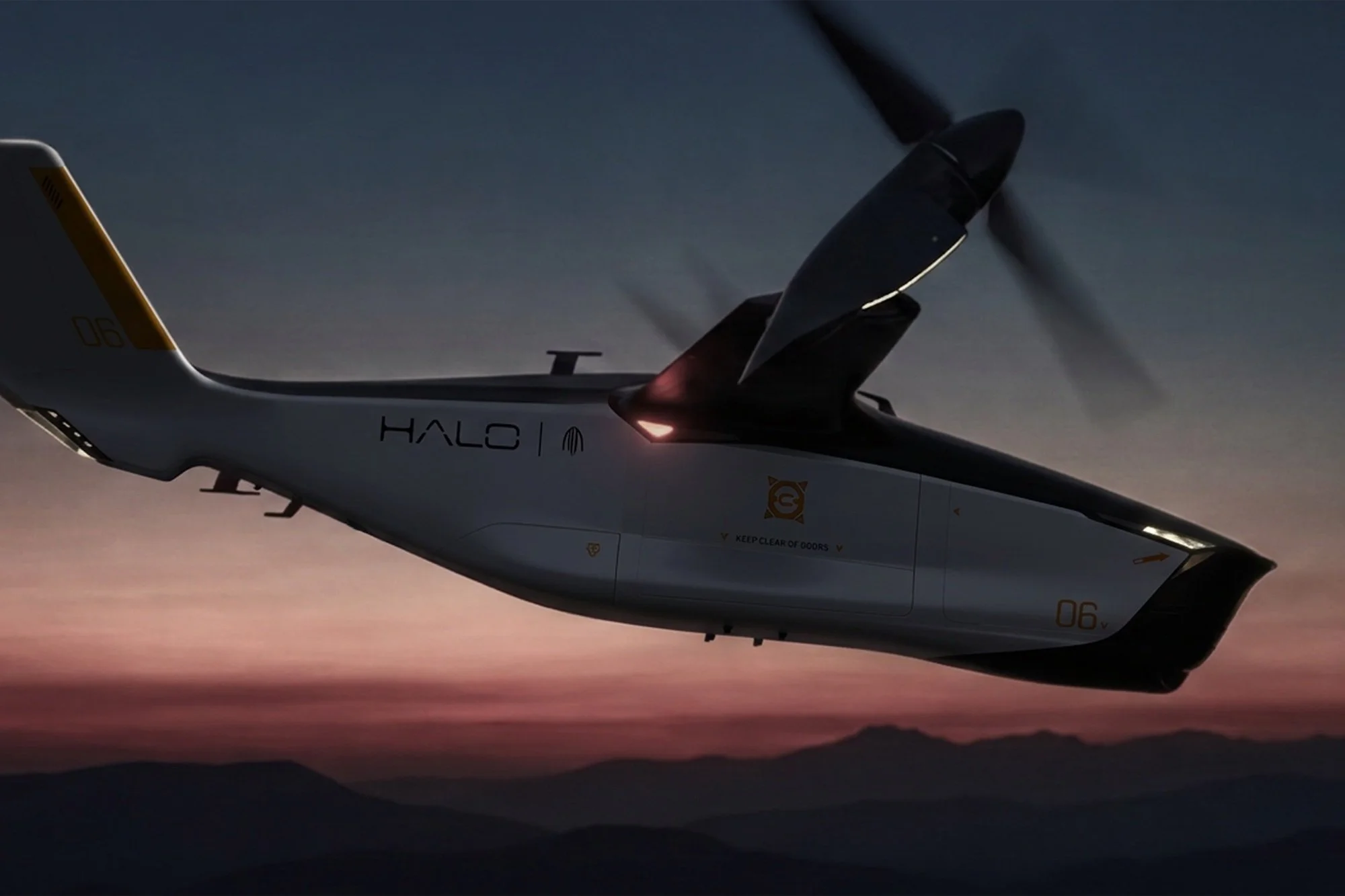
With autonomous EVTOL capabilities, Archer’s HALO has the potential to transform logistics by expanding access to underserved destinations while reducing delivery times and costs.
Defense logistics provides an ideal proving ground because reliability, capability, and mission effectiveness often outweigh immediate operating cost. These demanding environments accelerate learning, expose engineering challenges, and rapidly improve system performance. As production scales and costs decline, entirely new commercial opportunities begin to emerge. History suggests this transition is not the exception—it is the rule.
Reindustrialization As a Competitive Advantage
Perhaps the most important aspect of this announcement is not the aircraft itself. It is the industrial base required to build it. Producing fleets of autonomous aircraft requires investments in battery manufacturing, composite materials, precision machining, robotics, semiconductors, artificial intelligence, software development, avionics, propulsion systems, and highly skilled engineering talent.
For decades, global manufacturing prioritized efficiency above nearly everything else. Today, resilience, domestic production, trusted supply chains, and strategic manufacturing capacity have become matters of national competitiveness. Manufacturing is no longer viewed simply as an economic activity. It has become a strategic capability.
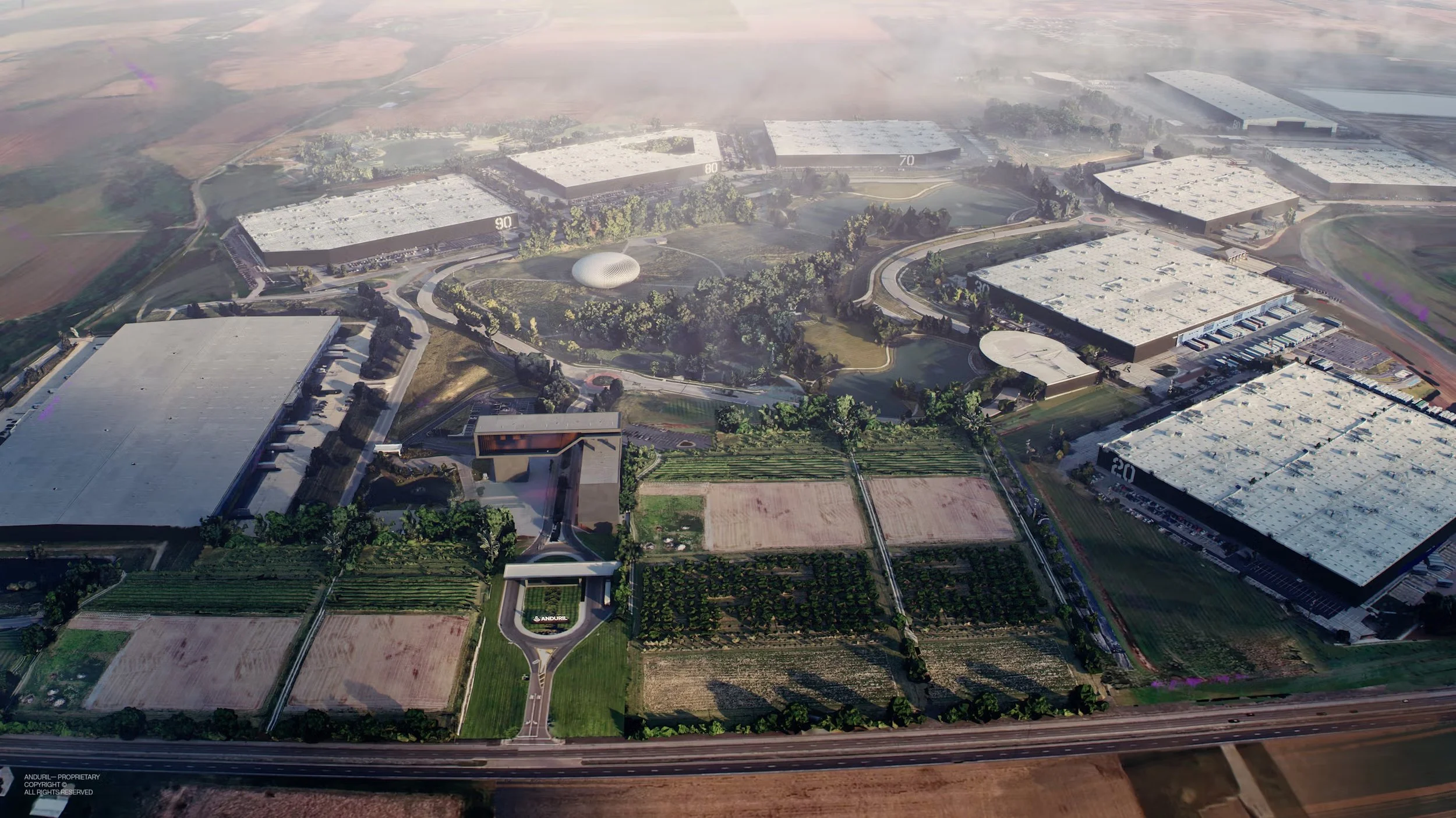
An aerial view of Anduril Industries' massive 500-acre Arsenal-1 campus in Pickaway County, Ohio, designed to scale mass production of AI-enabled autonomous systems and grow in capacity over the next decade.
The Age of Industrial Convergence
A broader shift is unfolding beneath the surface. Companies that once occupied separate industries are increasingly becoming partners. Artificial intelligence companies are collaborating with aerospace firms. Robotics companies are becoming logistics providers. Battery manufacturers are becoming aviation suppliers. Software companies are defining how aircraft are designed, operated, updated, and maintained throughout their lifecycle. The boundaries separating aerospace, defense, mobility, robotics, energy, and artificial intelligence are dissolving. Rather than witnessing the evolution of a single industry, the United States is entering an era of industrial convergence where innovation compounds across multiple sectors simultaneously.
Cargo Is Only the Beginning
Cargo has historically been the first step toward larger transportation revolutions. It presents fewer regulatory hurdles, lower public acceptance barriers, and immediate operational value. Autonomous cargo aircraft will likely evolve into platforms supporting disaster response, humanitarian relief, emergency medical logistics, offshore energy, rural infrastructure, environmental monitoring, and remote industrial operations.
Eventually, many of the technologies proven through cargo operations will migrate toward passenger transportation. This progression mirrors the historical evolution of commercial aviation itself. Reliable cargo operations build trust. Trust attracts investment. Investment accelerates innovation. Innovation creates entirely new markets.
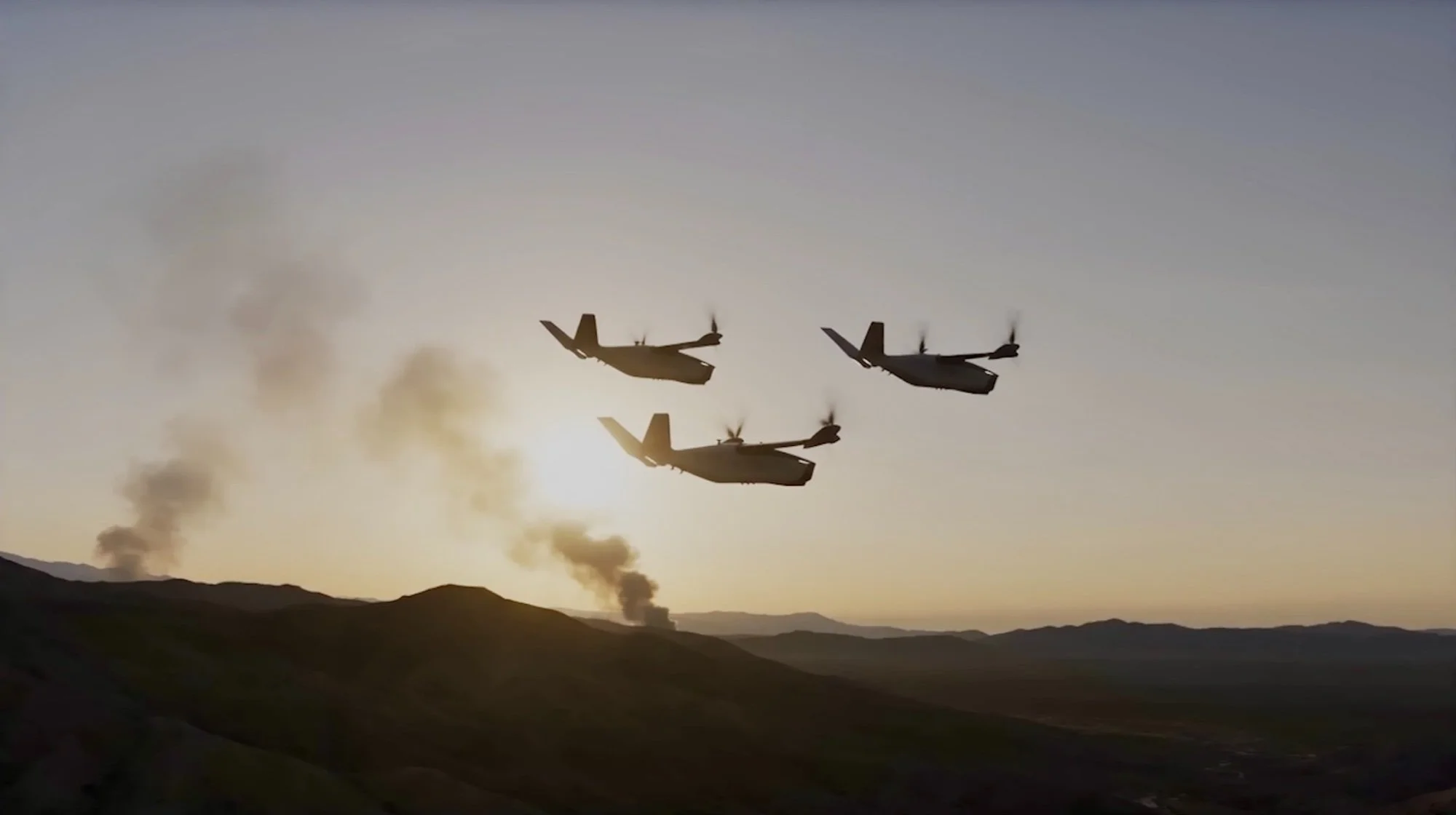
Beyond commercial cargo logistics, Archer's civilian HALO platform could reshape public-sector operations, supporting missions ranging from emergency response and air ambulance operations to border security, law enforcement, and wildland firefighting.
A New American Aviation Story
The Archer-Anduril partnership represents more than an innovative aircraft. It marks an inflection point. The United States appears to be entering a new era in which autonomous systems, artificial intelligence, advanced manufacturing, and strategic industrial investment reinforce one another. Defense programs are once again acting as catalysts for commercial innovation, just as they did during the formative decades of modern aviation.
The long-term impact may extend far beyond defense logistics. Entire manufacturing ecosystems could emerge around autonomous flight. Like the DC-3 before it, HALO is unlikely to be remembered solely for its technical specifications. Its lasting significance may lie in the industrial ecosystem it helps create—one where defense investment accelerates commercial adoption, manufacturing scales rapidly, and entirely new markets emerge. New supply chains may reshape regional economies. High-value engineering and production jobs could expand across the country. Commercial applications that seem speculative today may become commonplace within a decade.
The next generation of American aviation is unlikely to begin with passengers. It will begin with autonomous cargo, intelligent machines, and factories capable of building them at scale. Decades from now, historians may look back on partnerships like Archer and Anduril's much the way they now view the relationship between the DC-3 and the C-47—not simply as successful aircraft programs, but as the moment a new industrial era quietly began.
At Designbivouac, the future is often viewed through the lens of patterns rather than predictions. The pattern emerging today is unmistakable: America is entering a new cycle of innovation where autonomy, artificial intelligence, manufacturing, and mobility are converging to create industries that do not yet fully exist. The aircraft may capture today's headlines, but the larger story is the rebirth of an innovation ecosystem capable of shaping the next century of American competitiveness.
Images: Archer Aviation and Anduril Industries.